
Preventive maintenance should be performed according to the manufacturer's recommendations and the frequency of equipment usage. Regular inspections help prevent unexpected failures.
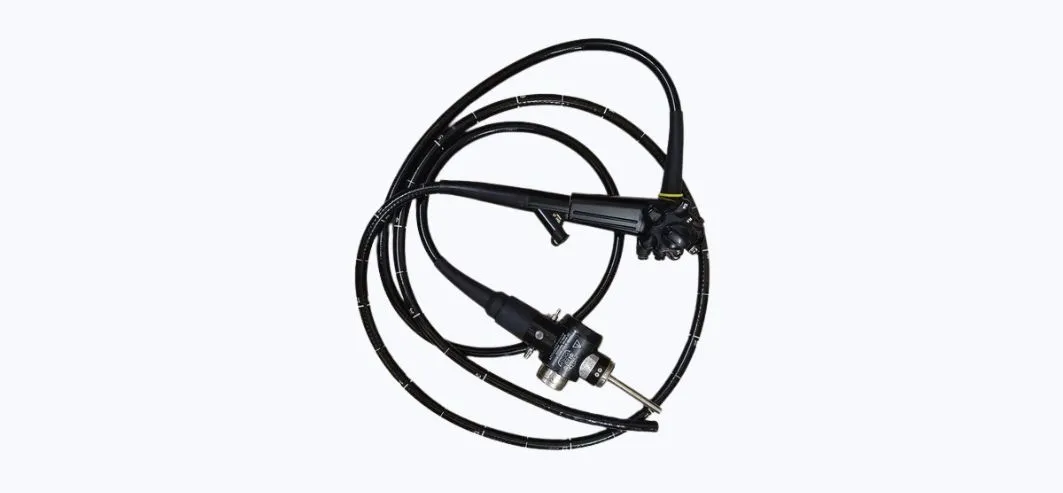
Essential Maintenance Tips for Endoscopy Equipment
Endoscopy equipment is an essential part of modern healthcare, enabling physicians to perform accurate diagnostic and therapeutic procedures with minimal patient discomfort. Since these instruments are highly sophisticated and delicate, proper maintenance is crucial to ensure consistent performance, patient safety, and long-term reliability.
Regular maintenance not only extends the lifespan of endoscopy equipment but also helps healthcare facilities reduce unexpected downtime, minimize costly repairs, and maintain superior image quality. Following recommended cleaning, inspection, and preventive maintenance procedures ensures that every examination is performed efficiently while complying with healthcare safety standards.
Why Proper Maintenance is Essential
Endoscopes contain precision optics, flexible insertion tubes, control mechanisms, electronic components, and delicate imaging sensors. Continuous usage without proper maintenance may lead to reduced image quality, equipment malfunction, or expensive component failures. Routine servicing protects these critical components and ensures dependable clinical performance.
Daily Cleaning and Disinfection Practices
Cleaning and disinfecting endoscopy equipment immediately after every procedure is one of the most important maintenance practices. Delaying the cleaning process can allow biological materials to dry inside the channels, making them more difficult to remove and increasing the risk of contamination.
Healthcare professionals should always follow the manufacturer's cleaning instructions and use approved detergents and disinfectants. Proper manual cleaning followed by high-level disinfection helps maintain equipment performance while protecting both patients and medical staff from potential infections.
Daily Maintenance Checklist
- Perform leak testing before every cleaning cycle.
- Clean the insertion tube immediately after each procedure.
- Flush all internal channels thoroughly.
- Inspect the distal tip for scratches or damage.
- Check angulation controls for smooth operation.
- Verify image quality before clinical use.
- Inspect light guide connectors for wear.
- Ensure all accessories are properly cleaned and disinfected.
- Dry the endoscope completely before storage.
- Record maintenance activities in the service log.
Proper Storage Guidelines
Correct storage is equally important for extending the life of endoscopy equipment. Endoscopes should always be stored vertically in a clean, well-ventilated drying cabinet to prevent moisture accumulation and bacterial growth. Avoid tightly coiling the insertion tube, as this can place unnecessary stress on internal components.
The storage area should remain dust-free, dry, and protected from direct sunlight or excessive heat. Proper storage significantly reduces the chances of accidental damage and helps maintain equipment readiness for future procedures.
Preventive Maintenance Schedule
In addition to daily care, hospitals and diagnostic centres should establish a preventive maintenance schedule. Routine inspections by qualified service engineers help detect worn components, damaged channels, loose connectors, and imaging issues before they become major failures. Preventive servicing minimizes downtime, improves equipment reliability, and reduces long-term repair costs.
Common Maintenance Mistakes to Avoid
Many endoscopy equipment failures occur due to improper handling rather than manufacturing defects. Simple mistakes during cleaning, transportation, or storage can lead to expensive repairs and unexpected equipment downtime. Following the manufacturer's maintenance guidelines and ensuring proper staff training can significantly reduce these risks.
- Skipping leak testing before cleaning.
- Using unapproved detergents or disinfectants.
- Improper drying before storage.
- Excessive bending or twisting of the insertion tube.
- Ignoring small cracks or external damage.
- Using damaged accessories during procedures.
- Improper transportation without protective cases.
- Delaying preventive maintenance inspections.
Benefits of Preventive Maintenance
Preventive maintenance is a cost-effective approach that helps healthcare facilities maximize equipment performance while reducing unexpected failures. Regular servicing ensures that every component functions efficiently and continues to deliver high-quality clinical performance.
- Extends equipment lifespan.
- Improves diagnostic image quality.
- Reduces unexpected breakdowns.
- Minimizes repair and replacement costs.
- Enhances patient safety.
- Improves workflow efficiency.
- Maintains compliance with healthcare standards.
- Increases reliability during critical procedures.
Keep Your Essential Maintenance Tips for Endoscopy Equipment Performing at Its Best
Regular maintenance and timely servicing help protect your investment and ensure dependable clinical performance. A One Medical Services provides professional inspection, preventive maintenance, repair, and technical support for a wide range of endoscopy equipment to help healthcare facilities maintain uninterrupted operations.
Professional Inspection and Repair Services
Even with proper daily maintenance, endoscopy equipment should be inspected periodically by qualified service engineers. Professional inspections help identify hidden wear, electronic faults, optical issues, and mechanical damage before they affect clinical performance.
Routine servicing includes performance testing, leak testing, image verification, mechanical inspection, calibration, and replacement of worn components when required. These preventive measures help hospitals and diagnostic centres reduce downtime while maintaining the highest standards of patient care.
Signs Your Endoscopy Equipment Needs Professional Service
Recognizing early warning signs can help prevent unexpected equipment failures and costly repairs. Healthcare facilities should never ignore performance issues, as they may affect both diagnostic accuracy and patient safety.
- Blurred or poor image quality during procedures.
- Difficulty in angulation or movement of the insertion tube.
- Air or water leakage from the endoscope.
- Reduced brightness or illumination.
- Damaged bending rubber or insertion tube.
- Unusual noises or stiffness while operating the controls.
- Visible cracks, dents, or external wear.
- Frequent equipment errors or inconsistent performance.
Best Practices for Healthcare Professionals
Proper handling by trained healthcare professionals is one of the most effective ways to extend the life of endoscopy equipment. Every staff member should understand the correct procedures for cleaning, transporting, storing, and inspecting the equipment after every use.
Maintaining detailed service records, following manufacturer recommendations, and scheduling routine preventive maintenance all contribute to improved equipment reliability, reduced repair costs, and uninterrupted patient care.
Conclusion
Endoscopy equipment represents a significant investment for every healthcare facility. By implementing proper cleaning procedures, routine inspections, preventive maintenance, and professional servicing, hospitals and diagnostic centres can maximize equipment lifespan while ensuring safe and accurate clinical performance. Regular maintenance not only reduces operational costs but also helps deliver better outcomes for both healthcare providers and patients.
How often should endoscopy equipment be serviced?
Why is leak testing important?
Leak testing helps identify damage before cleaning begins, preventing moisture from entering sensitive internal components and reducing the risk of costly repairs.
Can regular maintenance extend equipment life?
Yes. Routine cleaning, proper storage, preventive maintenance, and timely servicing significantly increase the lifespan and reliability of endoscopy equipment.
What are the most common causes of endoscope damage?
Improper handling, inadequate cleaning, skipped leak testing, incorrect storage, and accidental impact are among the most common causes of endoscope damage.
Why choose A One Medical Services?
A One Medical Services provides reliable maintenance, repair, inspection, and technical support for endoscopy equipment. Our experienced engineers, quality workmanship, and prompt customer service help healthcare facilities maintain dependable equipment performance.
Contact Us